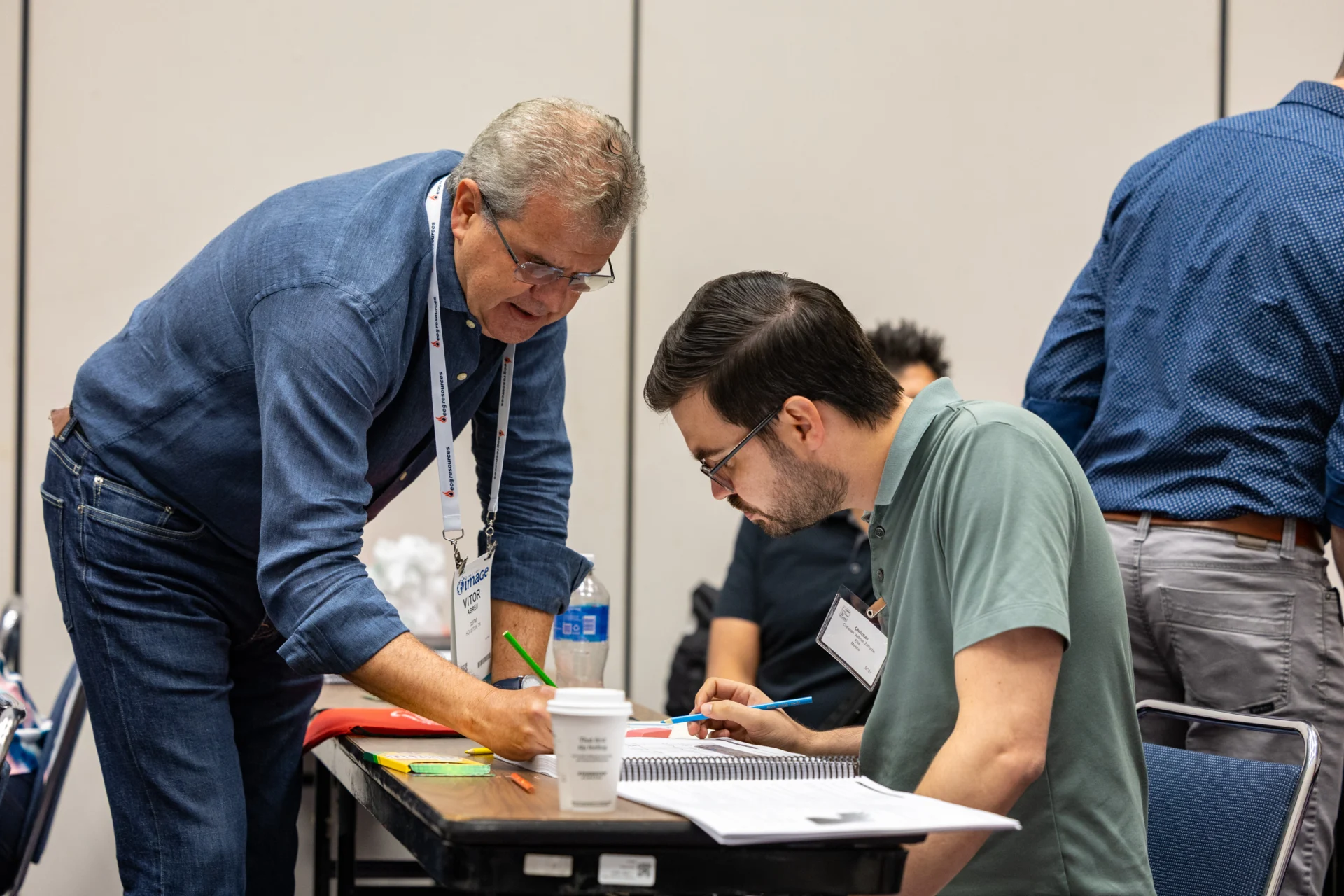
SEG Field Camps are a student member benefit that moves learning beyond the classroom. Through partner-led field camps and opportunities connected to SEG initiatives such as IMAGE, students apply theory in real-world environments—working with data, equipment, and workflows that mirror professional practice.
Technical knowledge builds your understanding. Field experience builds your confidence.
This is where classroom concepts become practical skills.
Why Field Camps Matter
Field camps bridge the gap between academic study and professional readiness.
Participants gain:
- Direct experience with geophysical tools and methods
- Exposure to real-world challenges and field conditions
- Collaboration with peers, faculty, and industry professionals
- Practical skills that strengthen résumés and career confidence
Field camp experiences help students articulate what they’ve done—not just what they’ve studied.
SEG supports field camps across regions and institutions to strengthen professional development and inspire the next generation of geophysicists.
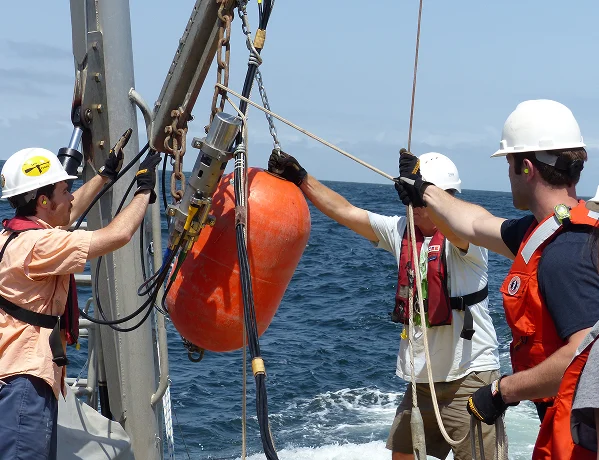
Who Can Apply
Field Camp grants are available to projects that:
- Include organizing students and at least one faculty advisor who are part of an SEG Student Chapter
- Advance geophysics education or professional development
- Demonstrate real-world application of geophysical methods
- Partner with local organizations for equipment, software, or logistical support
- Engage with the local community to demonstrate the value of geoscience
Student-led applications are prioritized.
All projects must comply with SEG’s Health, Safety, Security, and Environmental Policy
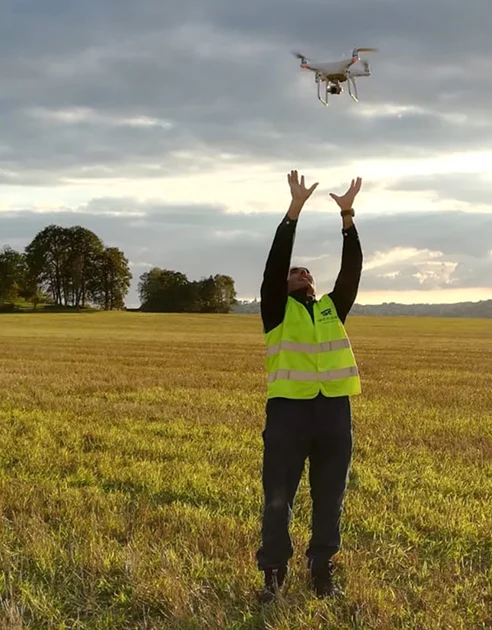
Application TImeline
Field Camp grant applications open annually.
- Applications open: 1 November
- Application deadline: 1 February 2026
By January 5
Applicants may request pre-submission feedback by emailing a complete draft:
Applications are reviewed in February and March.
Decisions are announced in April, and funds are released once award documentation is complete.
How Applications Are Reviewed
The Field Camp Committee evaluates proposals based on:
- Educational and geoscientific merit
- Hands-on learning value
- Quality and feasibility of the proposed activity
- Partnerships and use of shared resources
- Student leadership and involvement
- Community engagement and outreach
- Alignment with SEG’s mission
Clear objectives, realistic timelines, and measurable outcomes strengthen applications.
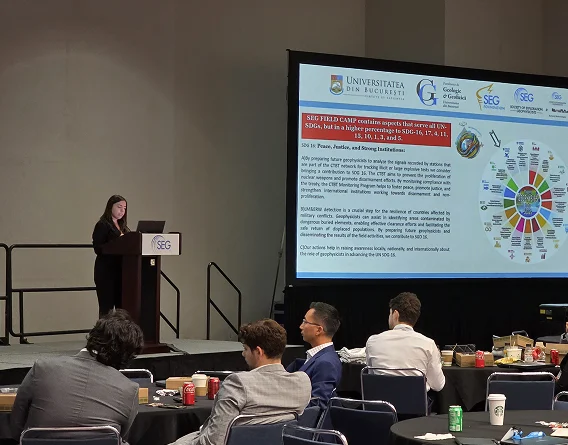
What Students Say
“Participating in field camp was a huge achievement for me. It gave me the opportunity to work directly with geophysical equipment and gain experience that I could not get in the classroom.”
— Dorothy Kanini Mwanzia, Jomo Kenyatta University of Agriculture and Technology, Kenya
Ready to Take Learning Further?
If you’re ready to apply your knowledge in the field, collaborate with peers, and gain hands-on experience that strengthens your career path, Field Camps are your next step.