Bringing real-world geophysics into high school classrooms.
What is ASEP?
SEG’s Applied Sciences Educational Program (ASEP) is an annual outreach initiative designed to introduce high school students and teachers to the exciting, real-world applications of geophysics.
Through immersive presentations, interactive discussions, and hands-on learning, ASEP connects students with geoscientists and industry professionals who are solving some of the world’s most complex scientific challenges.
From deep sea exploration to space missions to extreme geophysics, ASEP brings science to life.

Why ASEP Matters
Many students are curious about science—but have never been introduced to geophysics or its impact on the world.
ASEP helps students:
- Discover how geoscience shapes energy, environment, and exploration
- Understand real-world applications of physics, math, and earth science
- Connect classroom concepts to meaningful careers
- Engage directly with scientists and engineers
For teachers, ASEP provides fresh perspectives and real-world examples that enhance STEM education.
What Students Experience
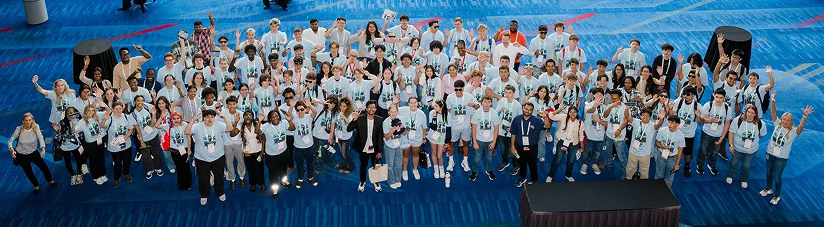
Each year, SEG partners with a selected high school to host ASEP.
Programs may include:
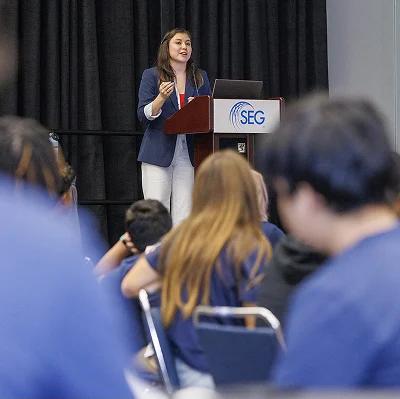
- Interactive presentations from practicing geoscientists
- Demonstrations of seismic and subsurface technologies
- Discussions about careers in science and engineering
- Exploration of topics such as deep ocean research, planetary missions, natural hazards, and extreme environments
ASEP sessions are designed to be engaging, accessible, and inspiring—demonstrating that geoscience is both dynamic and impactful.
A Partnership for Impact
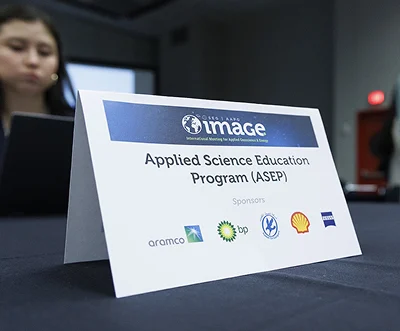
ASEP is made possible through collaboration between SEG and supporting sponsors who share a commitment to STEM education and outreach.
Together, we work with a chosen high school each year to:
- Expand access to applied science education
- Introduce students to career pathways they may not have considered
- Strengthen connections between industry, academia, and local communities
A Partnership for Impact
ASEP is ideal for:
- High school science students
- STEM-focused classrooms
- Educators seeking real-world science engagement
- Schools interested in expanding exposure to applied sciences
Get involved.
Are you an educator or school interested in partnering
with SEG for a future ASEP program?
We welcome opportunities to collaborate with schools and sponsors who are passionate about inspiring young scientists.
Contact us to learn more about hosting or supporting ASEP.