Project Overview
Location: Eha-Amufu, Nigeria
Status: Ongoing
Project Partners: Universidad Nacional de San Martín (UNSAM), College of Education, University of Nigeria, Enugu State Ministry of Water Resources, Geoscientists without Borders® (GWB)
Focus Area: Water Security and Community Education
Overview
The Eha-Amufu College of Education is in Eha-Amufu, a town in Enugu state, Southeastern Nigeria. Its location has led to significant urbanization within the local area as the staff and students have attracted several businesses, religious centers, primary and secondary schools and hospitals. This growing population’s potable drinking water sources are about 70 km (43.5 miles) away due to the absence of a reliable source nearby. This has made water costly, therefore the community members, who are unable to afford it, resort to using surface waters and shallow hand-dug wells for consumption and domestic use. Availability of public and private boreholes through this project will significantly reduce the quality drinking water’s cost, which was previously incurred due to the need of transporting it from a long distance.
Approach
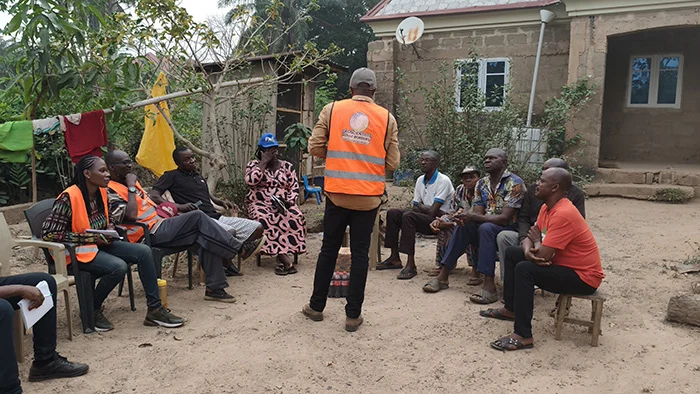
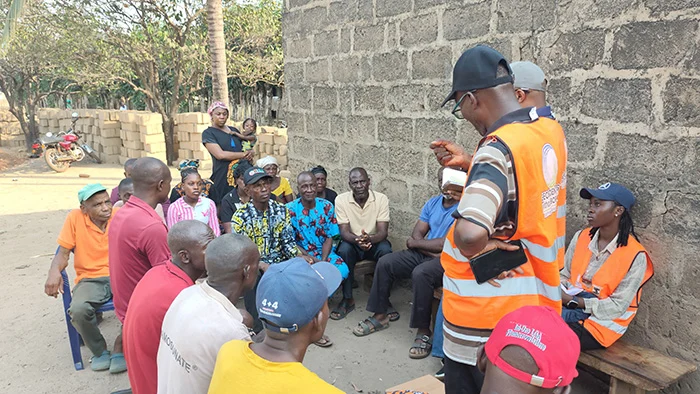
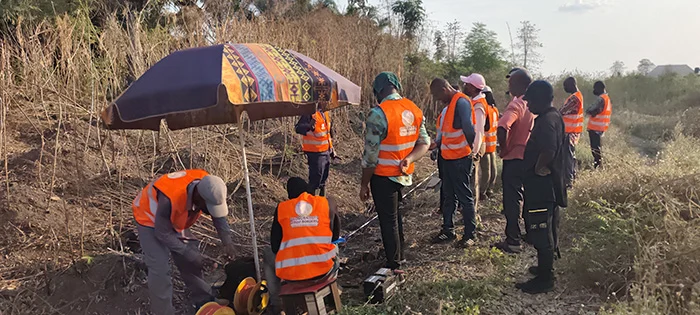
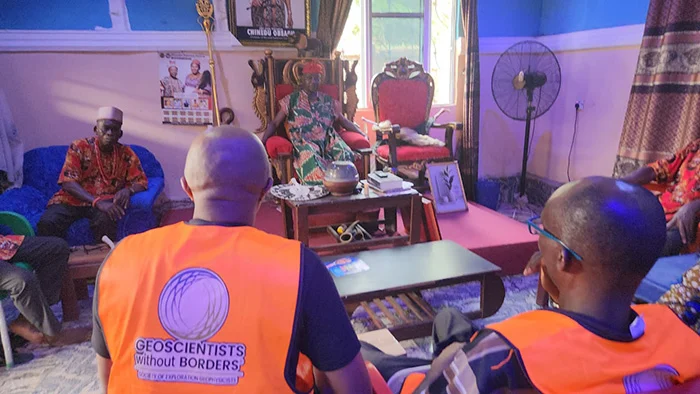
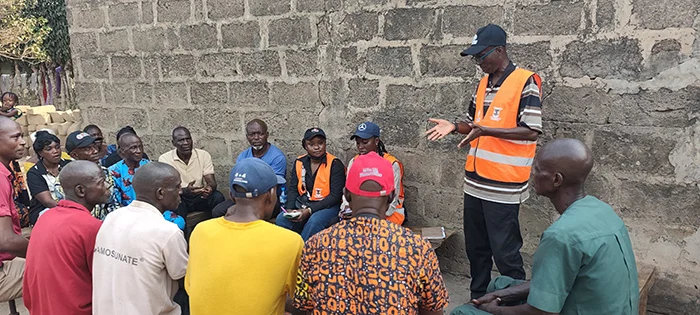
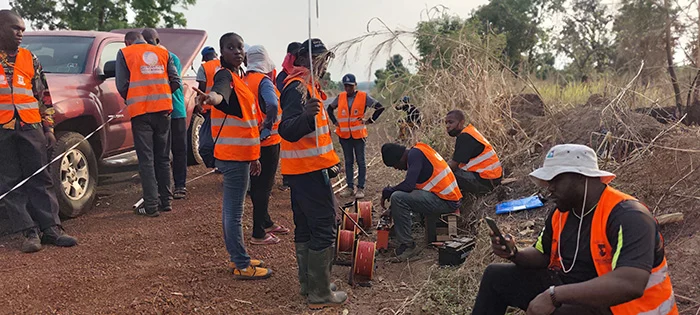
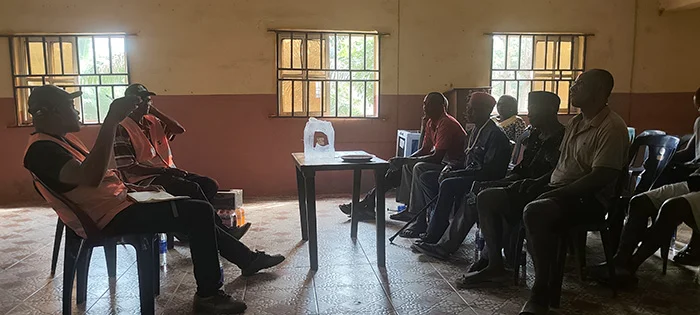
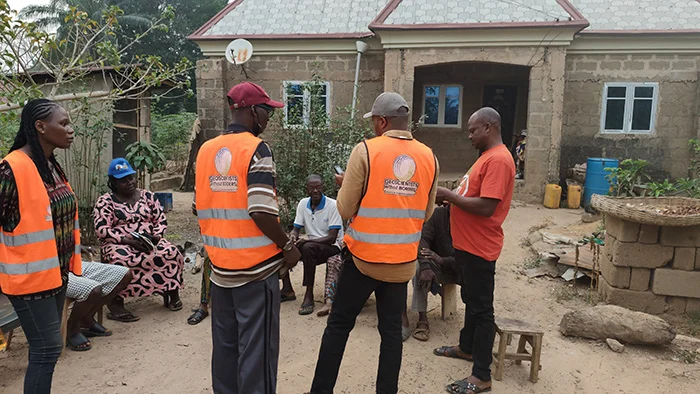
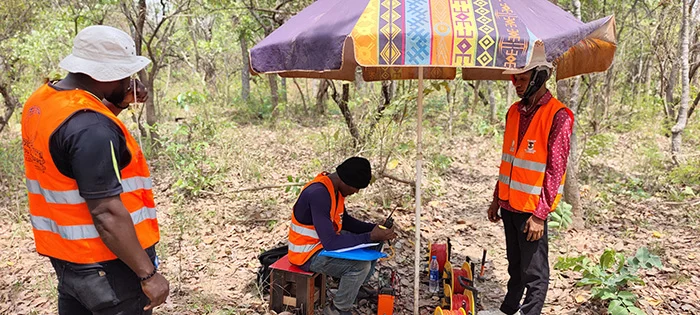
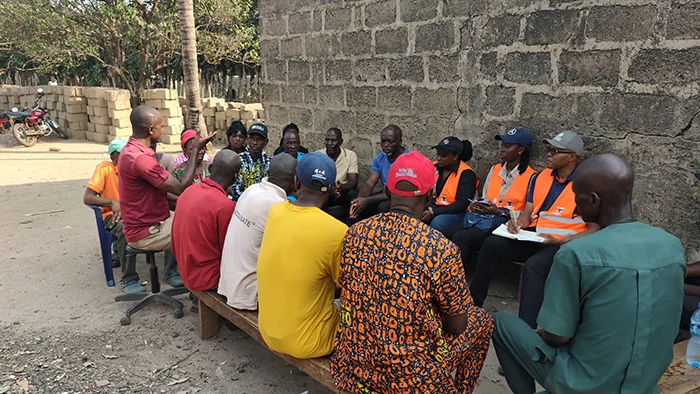
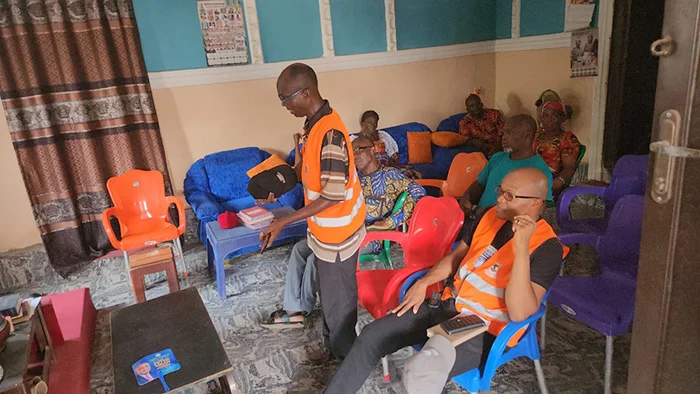
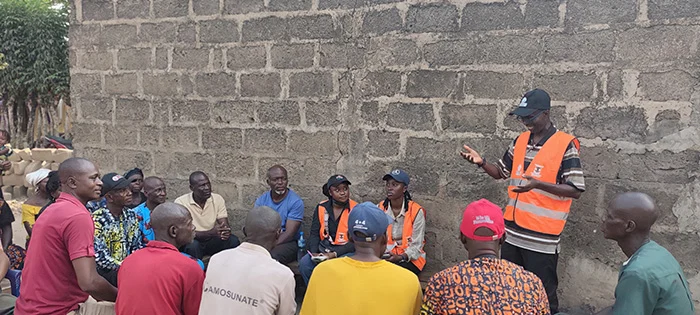
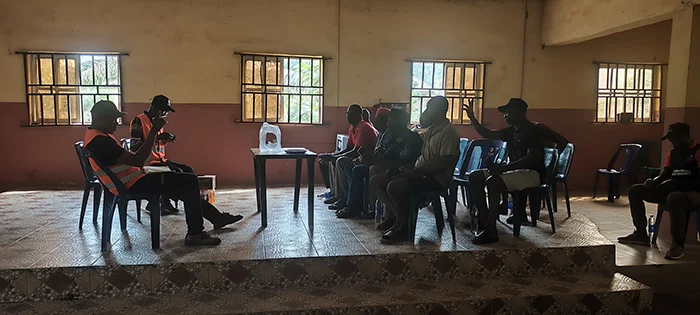
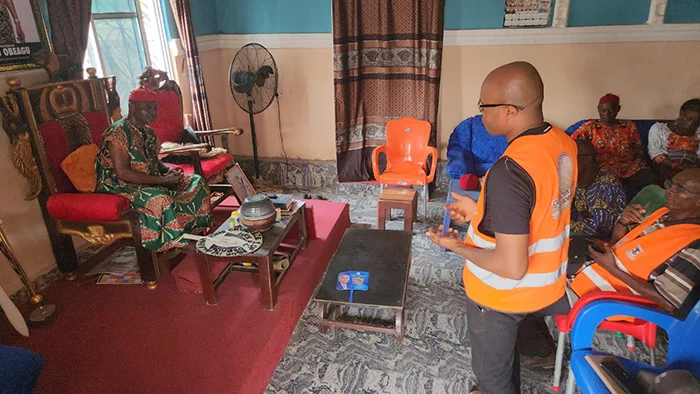
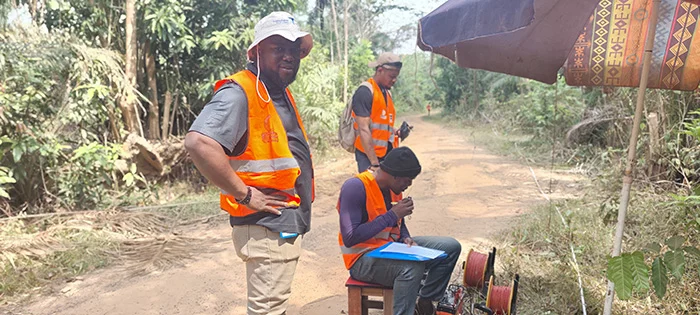
Using literature review, basemap generation and preparation for Vertical Electrical Sounding (VES) and Audio-Magnetotelluric (AMT) profile paths, contact with the community, relevant government agencies, Non-Governmental Organizations (NGOs), and educational institutions the team will work towards locating productive aquifers for drilling boreholes for long-term water security of the community.
Impact
5 new wells drilled for 5 targeted communities.
8 communities, 320 families, and 33,200 people achieved water security
5,000-liter capacity storage tanks/community and 5,000-liter rainwater harvesting systems for each of the five households.

24,000 m2 of irrigation systems
Food security by consumption of 1,701 m3 of groundwater through production of 663 kg (1461.66 lbs) of food
This collaboration will not only provide clean water but also strengthen local institutions’ capacity in applied geoscience. The project’s offerings will serve as roadmap for the local authorities and community to take ownership and management of the newly located water sources.
Next Steps
- Upon the geologic and geophysical data completion, the borehole drilling location and total drilling depth will be determined to help the appraisal well prognosis.
- The project’s drilling will commence May first week and last for three weeks.
- The report dissemination seminar will be held in June-July, and the final project report will be submitted in August-September.
Learn More

United Nations Sustainable Development Goals (SDGs)