Exploring and Harnessing Groundwater for Water Supply, Food, and Income in Northern Ghana
Project Overview
Location: Northern Ghana
Status: Complete
Project Partners: Pumping is life, University for Development Studies (Ghana), Ghana Geological Survey Authority, West African Science Service Center on Climate Change and Adapted Land Use, and Geoscientists without Borders® (GWB)
Focus Area: Water Management
Overview
The main goal of this project was to increase food and income security among smallholder farmers in selected communities in Northern Ghana.
Approach
The team used geophysical techniques like GEONICS EM34-3XL, HANNA HI 99301 EC/TDS meter, and the EM34-3 survey to produce ground conductivity profiles. This project identified 10 key stakeholders relevant to local policy among which were four students from the Department of Geological Engineering, University for Development Studies Ghana.
Next Steps
The results showed that the contextualization of the communities within the frames of the geophysical investigation was appropriate. It allowed the local resources’ use and further revealed that geophysics holds the key to unlocking the elusive groundwater of the geological provinces found in Northern Ghana, which could be harnessed combining it with technologies like solar power and irrigation.
Learn More
Read the Full Report →
Support GWB Projects →
Impact

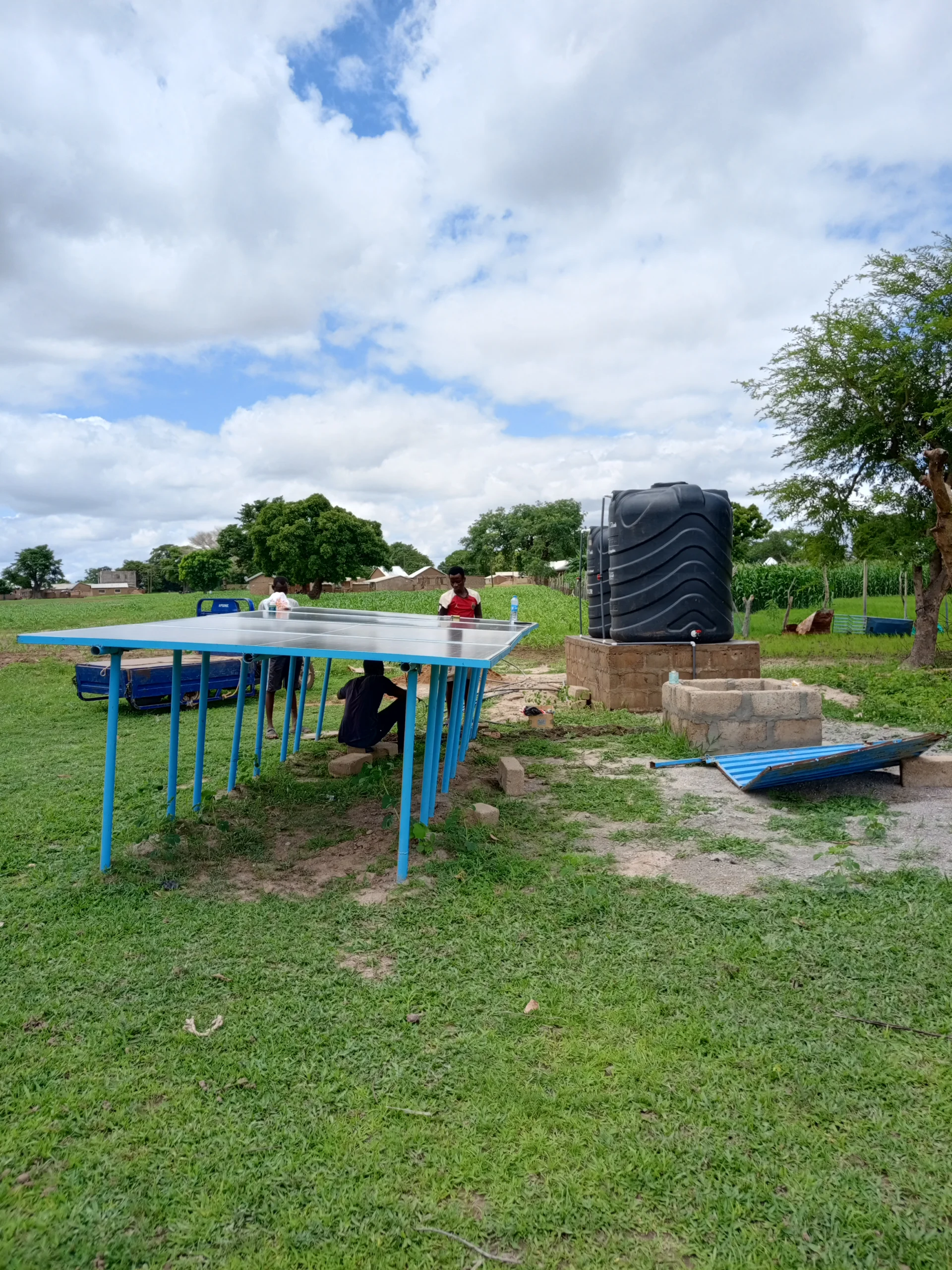
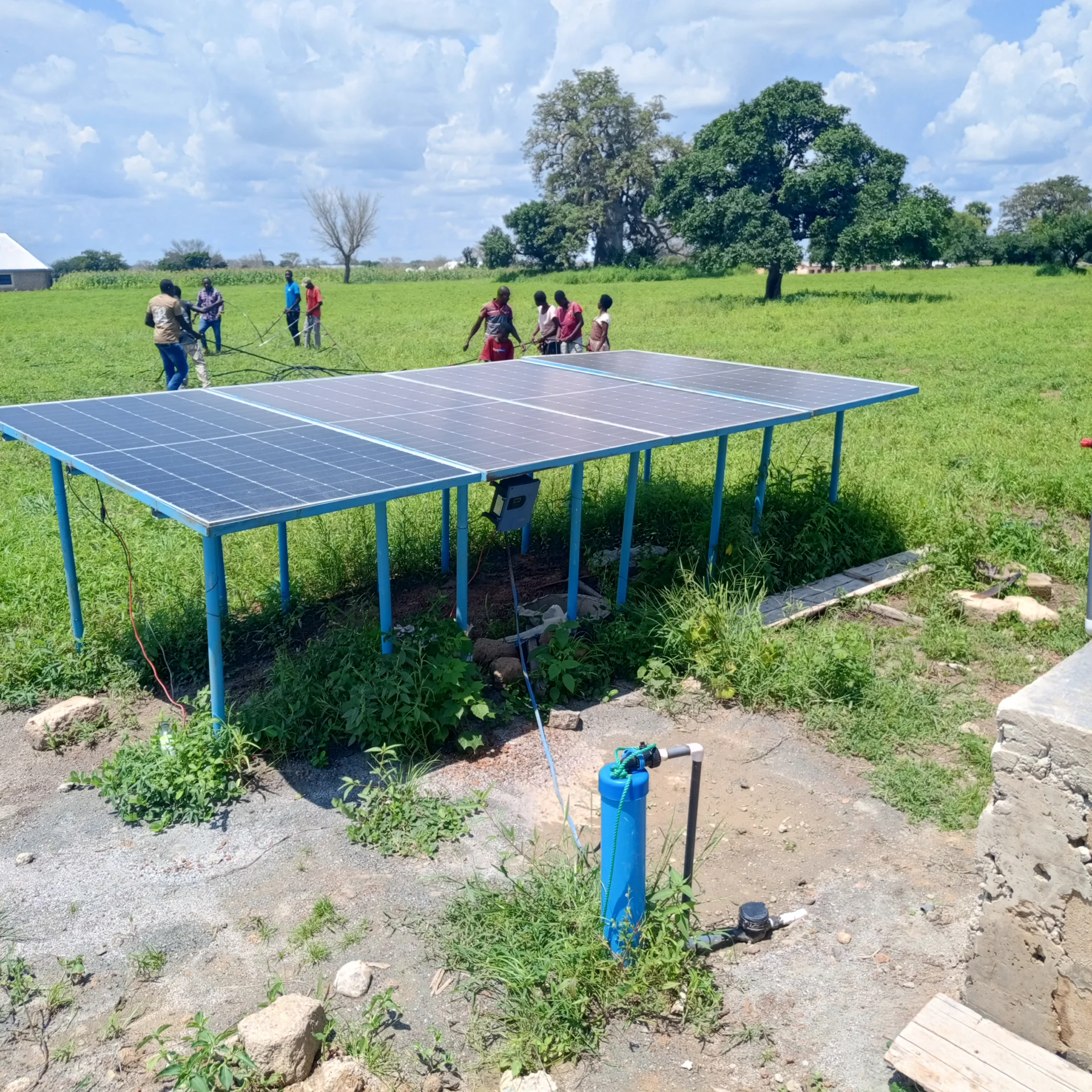
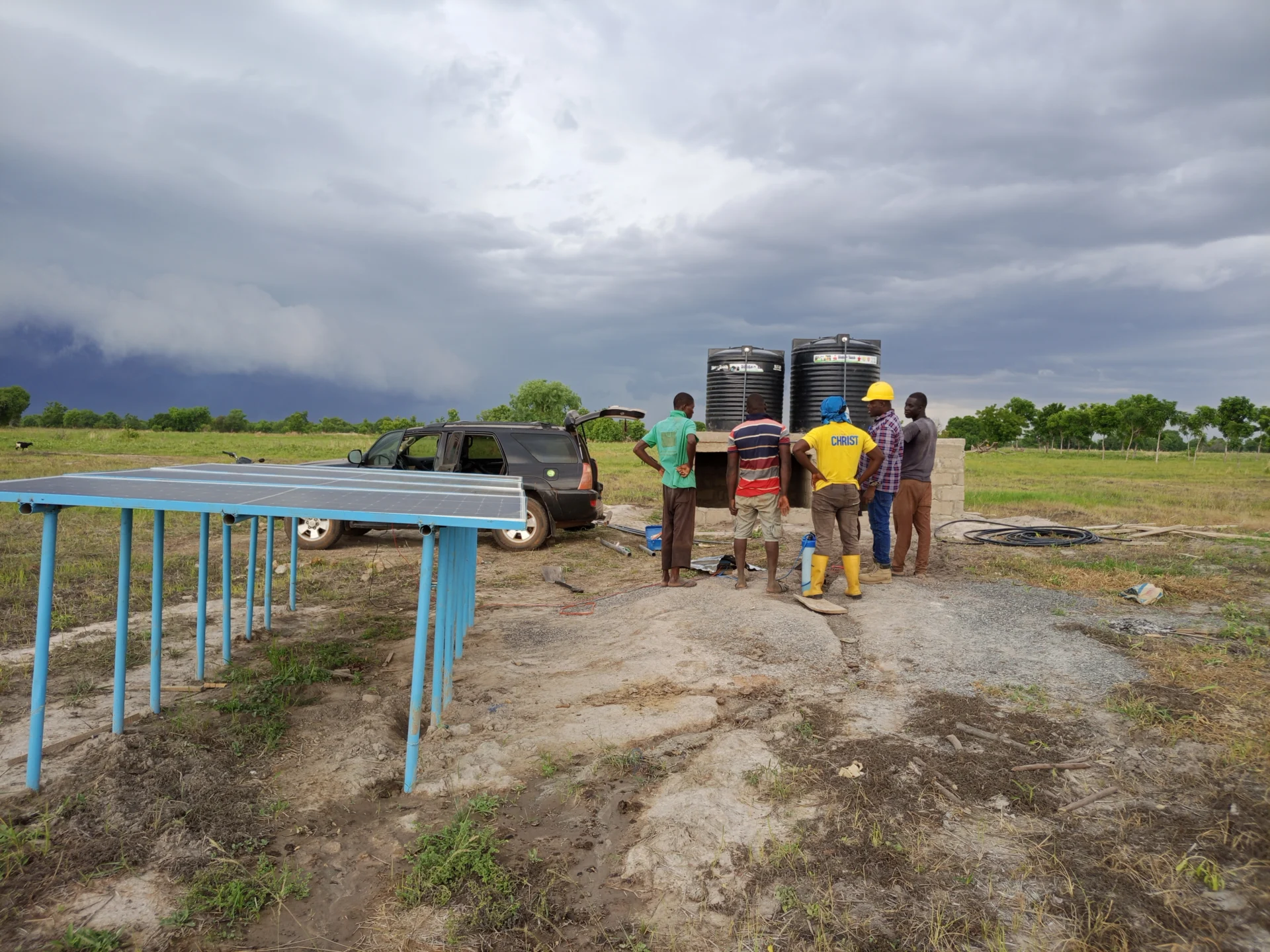
The team installed solar water supply systems, including 5,000-liter capacity storage tanks per community and 5,000-liter rainwater harvesting systems for each of the five households.
Additionally, they installed 24,000 m2 of irrigation systems, formed water operations and maintenance committees, and implemented artificial recharge systems for aquifers. It is estimated that this project impacted eight communities, 320 families, and 33,200 people by securing their water and food security.
The project team identified that geophysics could catalyze savings of $3,240 USD through the consumption of 1,701 m3 of groundwater and $907 USD through production of 663 kg (1461.66 lbs) of food.

A total of 2 million liters of water was consumed.
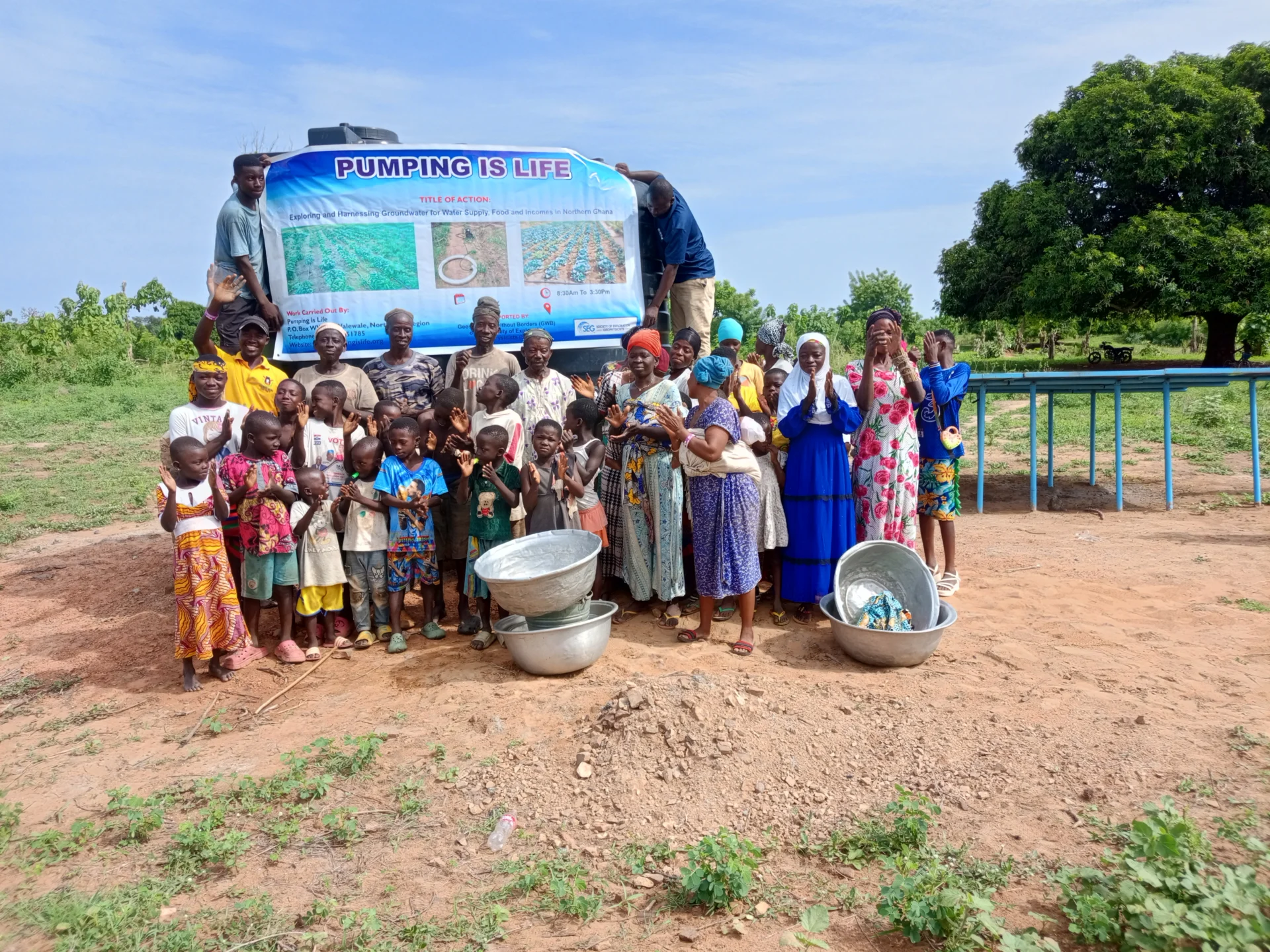
The project benefited approx. 13,500 people; 34% adult males, 35% adult females, 14% adolescent and 13% children. The total number of people with disabilities was estimated as 1.3% of the total population (about 176) in the 5 communities.
United Nations Sustainable Development Goals (SDGs)