Project Overview
Location: Santa Ana volcano complex, El Salvador
Status: Ongoing
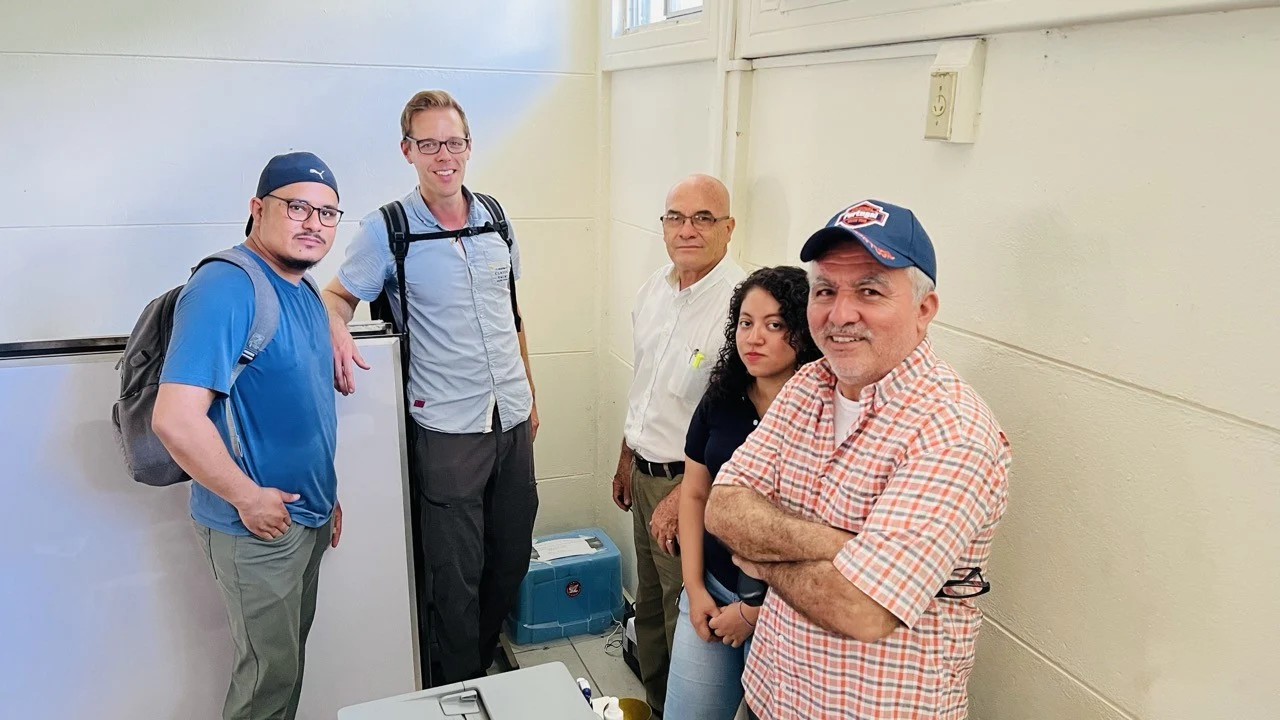
Project Partners- University of Memphis, the National University of El Salvador, The El Salvadoran environmental department (MARN) and Geoscientists without Borders® (GWB)
Focus Area: Volcano preparedness, early warning systems, disaster risk reduction
Overview
The Santa Ana volcanic complex is the second most active volcanic area in El Salvador. The volcano has become a prime tourist destination because of its stunning views and picturesque crater-lake. There are several thousands of visitors during prime holiday weeks and this boom in the tourist sector has brought economic benefits and growth to many of the surrounding communities. The last major eruption in this area was on October 1st, 2005, producing a 14 km high plume and resulting in the evacuation of over ~15,000 people. Prior to the 2005 Santa Ana eruption, Volcan Izalco, located 3.5 km south, erupted continuously between ~1770 and 1966. These major eruptions occurred before the recent economic boom, which arguably placed more people in danger. A large eruption without better monitoring and preparedness efforts could have devastating consequences. At present, there is no adequate real-time seismic monitoring system in place that could capture early stages of eruptive processes. Seismic monitoring is one of the primary tools to track deep processes underneath volcanoes and issue alerts to prevent the most severe effects such as loss of life.
The primary need is to establish a robust seismic monitoring system that can record and locate seismic events with high fidelity and the proposed work will benefit from the long-term engagement of PI Goebel in El Salvador.
Approach
Hazard assessment and risk mitigation around Santa Ana Volcanic Complex:
- Build real-time seismic monitoring system
- Detect seismicity associated with fluid and magma movements
- Capture precursory activity before eruptions
Characterize magma sources beneath Santa Ana volcanic complex:
- Education and outreach:
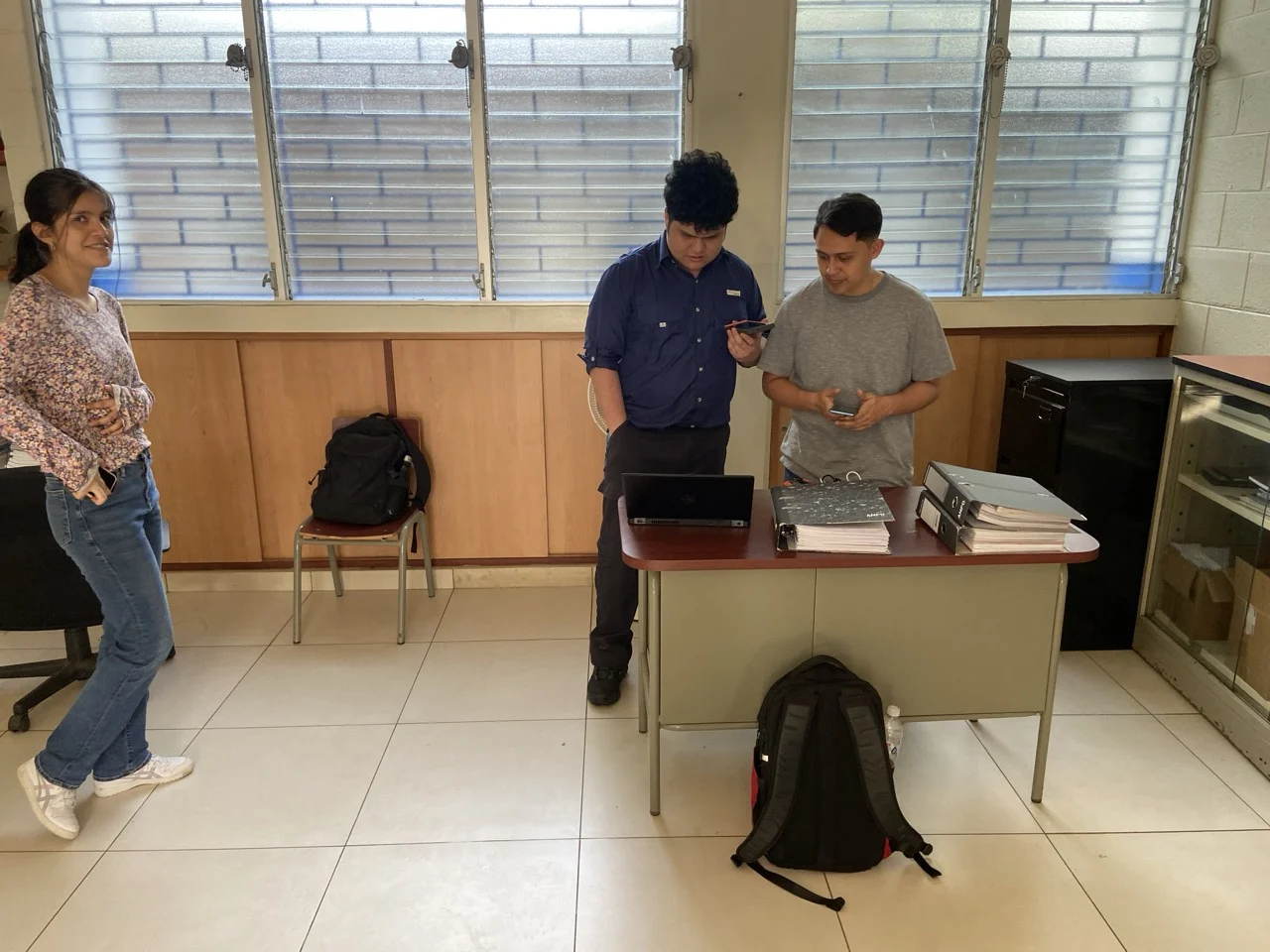
- Train students and professors in real time analysis of seismic data
- Education and outreach to schools and affected communities
- Improve hazard preparedness
Progress so Far

Two additional raspberry shakes were deployed at schools in Ataco and Santa Katarina.

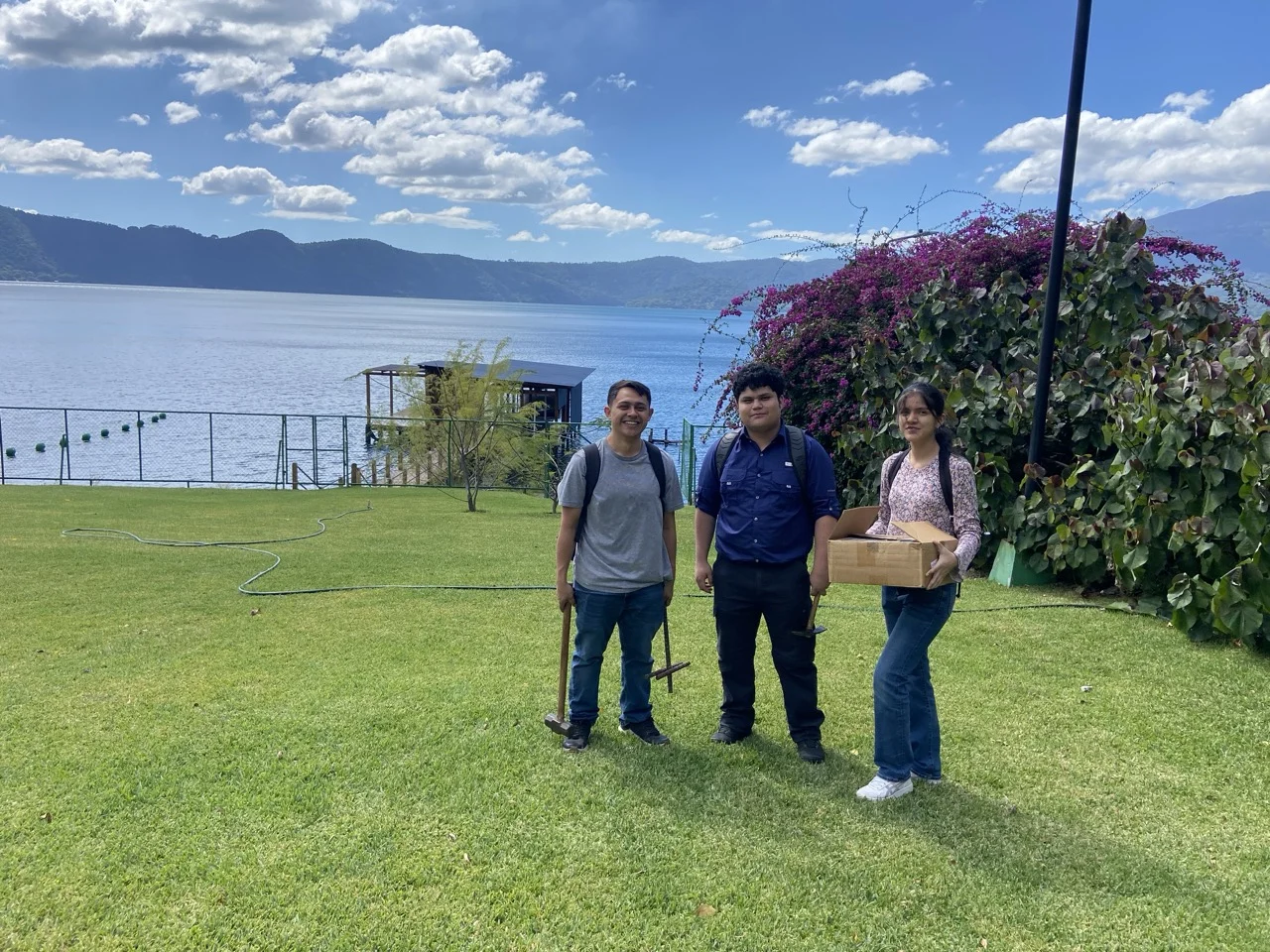
The team deployed a borehole geophone at a school in Juayua. The fourth station is a broadband seismometer which was deployed on a private property at the east shore of Coatepeque Lake.
Student participants created a machine learning seismicity catalog with >4000 events.

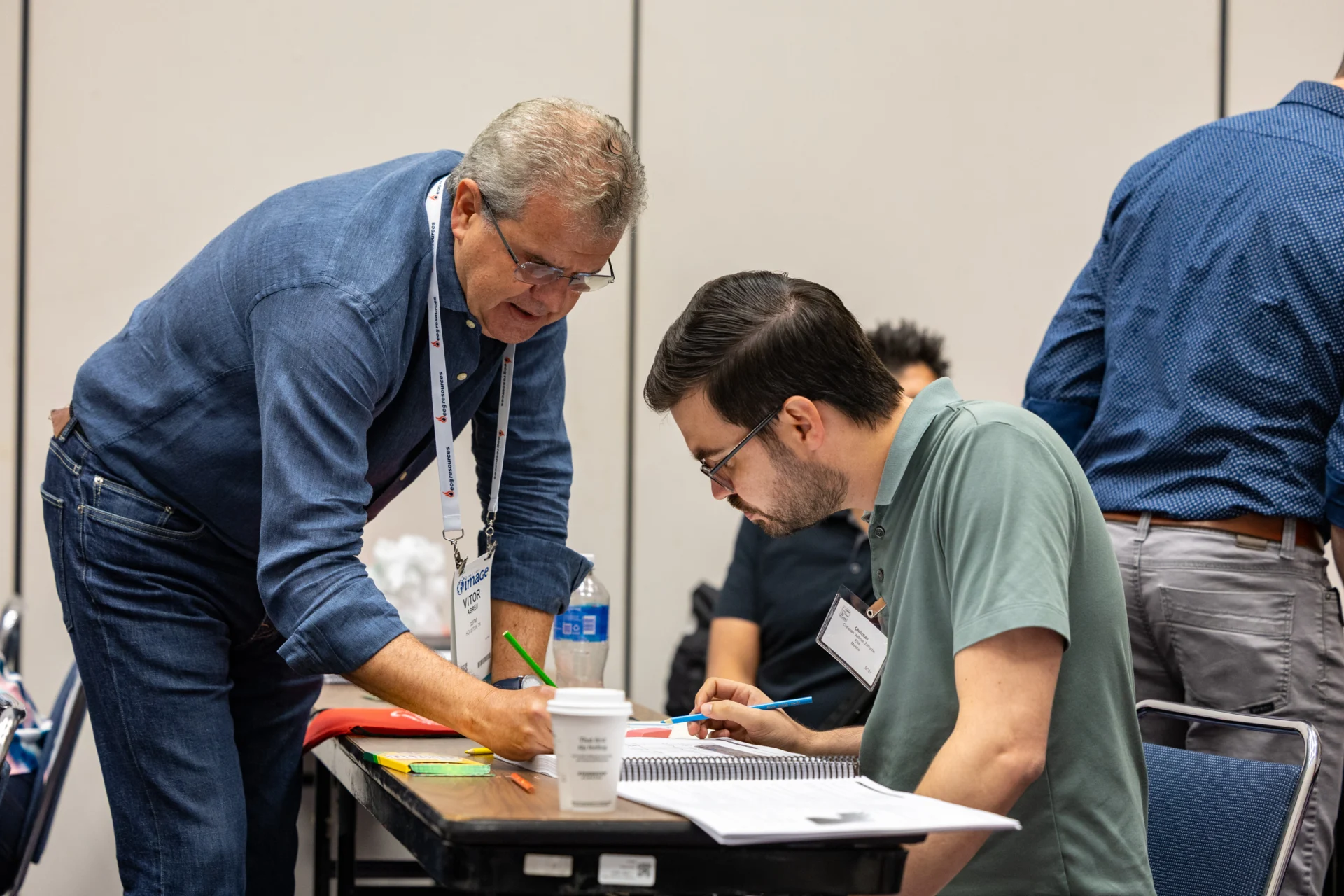
Co-organized a student-teacher workshop with ~80 participants in Oct. 2025.

Improvement in real-time processing to detect smaller earthquakes.
The main goals are:
To establish a real-time seismic monitoring system in western El Salvador with the Santa Anta volcano being the primary focus of the effort. To achieve this goal, the Center for Earthquake Research and Information (CERI) at the University of Memphis is collaborating with the University of El Salvador (UES) and the Ministry of the Environment and Natural Resources (MARN).
Next Steps
The team is continuing to improve the network and processing workflow to detect more small magnitude events. They completed the regional monitoring stations and are focusing on densifying the stations within 5 km of Santa Ana volcano in 2026.
Learn More


United Nations Sustainable Development Goals (SDGs)