Ron Harris, a professor of geological sciences at Brigham Young University and the Principal Investigator for GWB’s Indonesia-tsunami project, was nominated as the 2024-25 Global Sustainability Lecturer. He delivered the first lecture titled, “Geological Hazards Risk Assessment and Reduction: A Case Study from Southeast Asia,” when his term began in September. Ron’s lecture series addresses:
- Geological hazards risk assessment is critical in densely populated areas near plate boundaries, particularly in Southeast Asia, which experiences 85% of global natural hazard casualties on just 12% of land
- Effective communication of risk reduction strategies is vital before hazards occur, as highlighted by lessons from the 2004 Indian Ocean tsunami, which claimed around 250,000 lives
- Expanding research participation to include experts from education, communication, marketing, engineering, and other STEAM fields is essential
- The WAVES consortium aims to bridge the gap between scientific assessments of geohazard risks and community preparedness through a multidisciplinary approach
Ron’s nomination for this year’s lecture is significant as this year’s World Tsunami Awareness Day on 5 November also commemorated the 20th anniversary of the Indian Ocean Tsunami to ensure its lessons are passed on to a new generation of children and youth. This is important for GWB for many reasons:
- GWB was founded right after the 2004 Indian Ocean Tsunami by a group of concerned geoscientists, who came together to use their skills and resources to support tsunami awareness work in Indonesia
- To date, the program has funded three tsunami awareness projects in Sumatra and Java islands to build disaster risk resilience via early warning systems and strategies suitable for the locals
- The tools and knowledge sharing from these projects has resulted in the authorities and decision makers adopting them to raise awareness and prepare for a future event like Ron’s 20-20-20 rule, which means that if you feel the earth shake for 20 seconds, you have 20 minutes to get to a 20-meter height and escape chronic events like a tsunami
This webinar addresses the discovery that the southern coast of Java and other islands in Indonesia have been battered by tsunamis from mega-thrust earthquakes on the Sunda Trench — much like what happened during 2004. Numerical models of likely rupture scenarios of the Sunda Trench revealed that more than 6 million people live on coastal plains below 30 m elevation, which are at risk of tsunami inundation. To communicate this risk, the PI and his team developed a catchy phrase to generally help these communities practice a self-evacuation strategy. It is known as the “20-20-20” principle. The PI explained that if the ground shakes for more than 20 seconds, those inhabiting coastal communities have 20 minutes to evacuate to an elevation of at least 20 meters. This simple principle, that condenses years of scientific research into three numbers, saves lives because it empowers those at risk to self-evacuate. Illustrations of the 20-20-20 principle are now embossed on t-shirts, evacuation signs, billboards, scarves, and a ‘snakes and ladders’ game. Tsunami evacuation drills guided by the 20-20-20 principle are now a common occurrence in coastal communities throughout Indonesia to learn more about how applied geosciences can help solve humanitarian challenges globally and save lives.
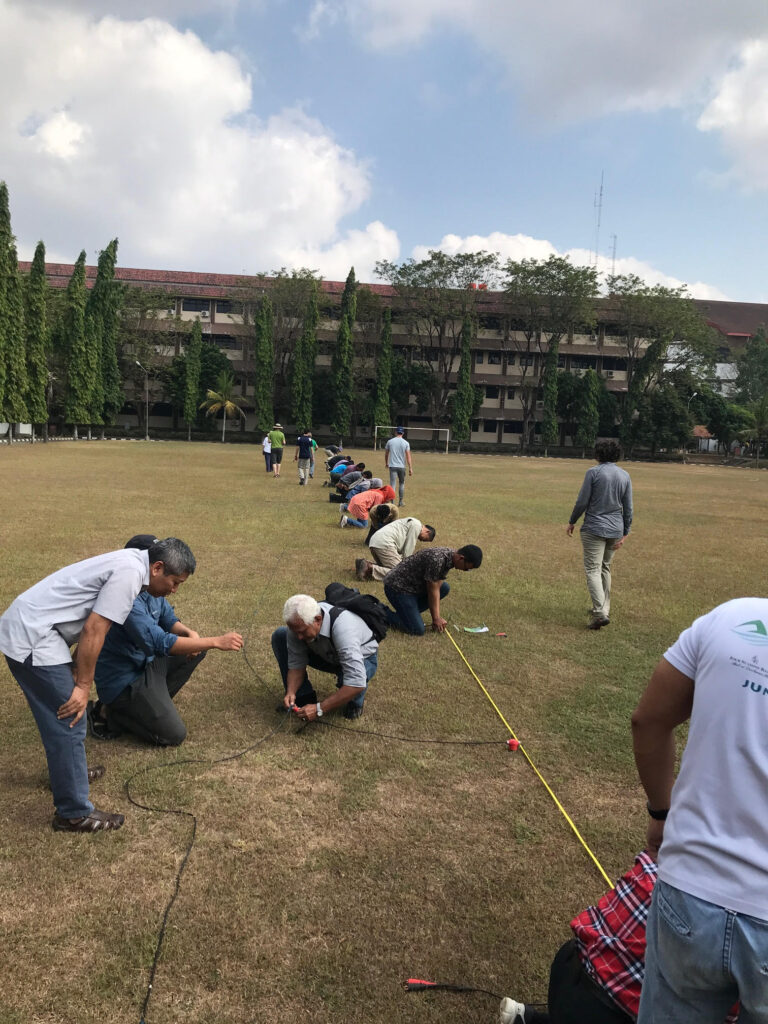
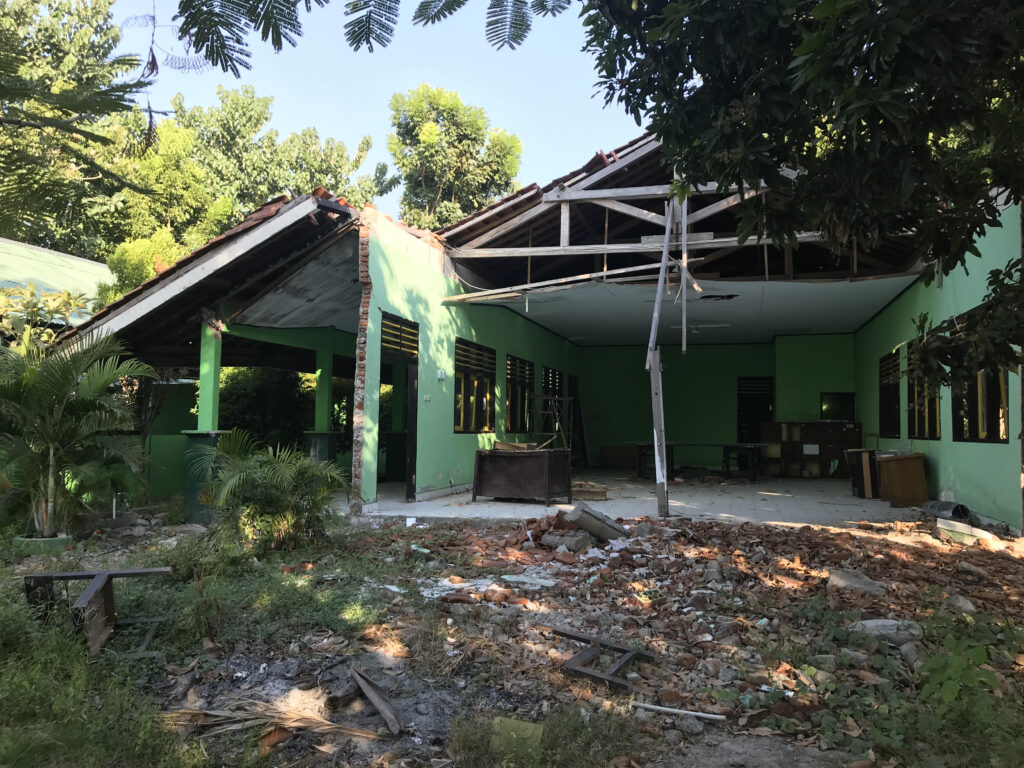
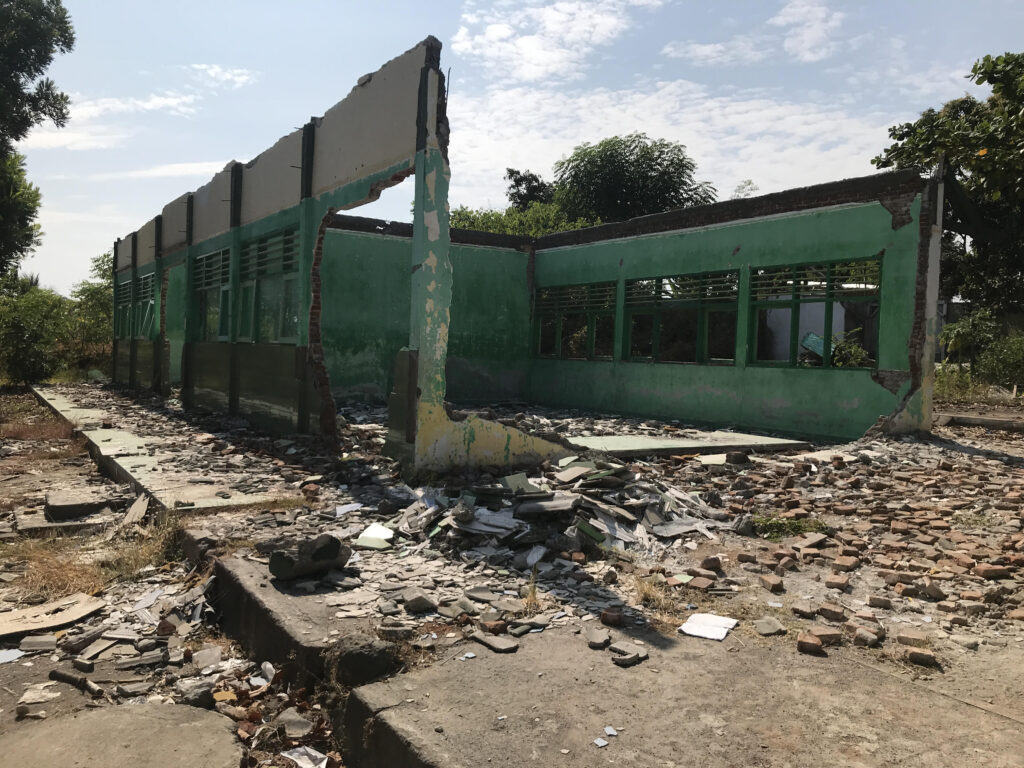
What are attendees saying about this lecture?
“Ron did an excellent job detailing the need for such initiatives in one of the most seismically active regions of the world and how applied geosciences can help influence local policy and help formulate disaster risk reduction strategies. The 20-20-20 rule is a lifesaving strategy that everyone, including school children, can adopt to prepare for a future event”
– Virtual Lecture Attendee – September 2024
- Read more, and plan to attend Ron Harris’s next virtual webinar on the 16 December 2024.
- Learn more about our disaster risk reduction work.
Subscribe to SEG’s Communication Center for updates on GWB events, projects, volunteer opportunities, and global presentations. Access reports, deadlines, and news, and join the discussion on social media and SEG’s free Slack community.