
Tropical cyclones’ role in carbon cycle could shift by 2035
A study in Nature Geoscience shows that tropical cyclones currently cause net ocean carbon outgassing but could switch to car –More–
US O&G rig count expands on increased oil drilling
The US oil and natural gas rig count rose by five to 558 last week, driven by a 10-unit increase in oil-directed rigs, the la –More–
Recently Completed Project

Food insecurity, poverty, and unemployment remain concerns for most rural communities in Northern Ghana. This has been linked to the Guinea Savanna agro ecological zone’s uni-model rainfall regime.
Oil shock widens global energy divide, expert says
The Iran war and Strait of Hormuz crisis are driving up costs everywhere, but the impacts vary sharply by country, income lev –More–
Earthquake in Peru leaves 27 injured, buildings damaged
A magnitude 5.8 earthquake in southern Peru has injured 27 people and damaged buildings, according to the US Geological Surve –More–
Energy export growth a priority for the US, Wright says
US Energy Secretary Chris Wright said traffic through the Strait of Hormuz could resume “sometime this summer at the latest,” –More–
Warming oceans threaten Maine’s kelp forests
Maine’s kelp forests are disappearing rapidly because of rising ocean temperatures, being replaced by turf algae, according t –More–
Reduced low cloud cover could drive sea-level rise
Researchers have developed a model incorporating cloud cover and sea ice to explain why sea levels are expected to remain hig –More–
Former SEG President Dr. William Abriel Conducts In-house Training at China University of Petroleum (Beijing)

Despite decades of exploration success, imaging beneath complex salt remains a major challenge in the Gulf of America. Large velocity contrasts, steep salt flanks, and intricate subsalt geometries distort wave propagation and reduce confidence in depth positioning.
GWB PI Spotlight
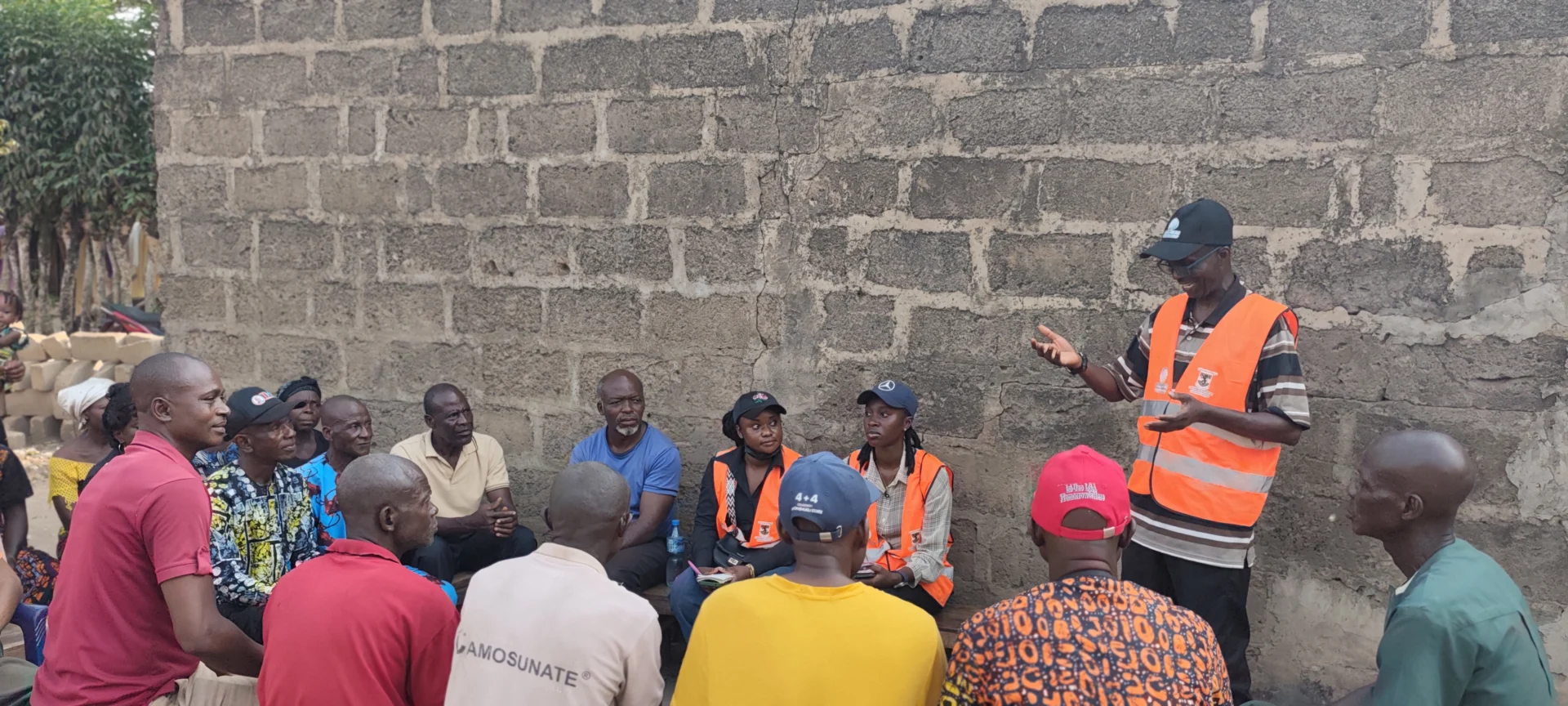
Food insecurity, poverty, and unemployment remain concerns for most rural communities in Northern Ghana. This has been linked to the Guinea Savanna agro ecological zone’s uni-model rainfall regime.